Virtual events have entered a new phase. What once focused primarily on logistics and basic video conferencing has evolved into an experience-driven ecosystem shaped by emerging event trends. Among the most influential of these trends is the use of generative AI to instantly create virtual event environments that feel intentional, immersive, and aligned with a brand’s purpose.
As audiences grow more selective about how they spend their time online, visual context has become a strategic element of engagement. Generative AI is now helping event organizers design virtual backgrounds and spaces in minutes rather than weeks, changing how virtual events are planned, branded, and experienced.
One of the defining virtual event trends today is the shift from static presentations to spatial, interactive environments. Attendees no longer want to feel like passive viewers in a grid of video tiles. They expect environments that signal why the event exists and what kind of interaction is encouraged.
Backgrounds play a larger role than many organizers realize. A thoughtfully designed virtual space can:
Generative AI makes it possible to create these environments instantly, allowing teams to focus on experience design rather than asset production.
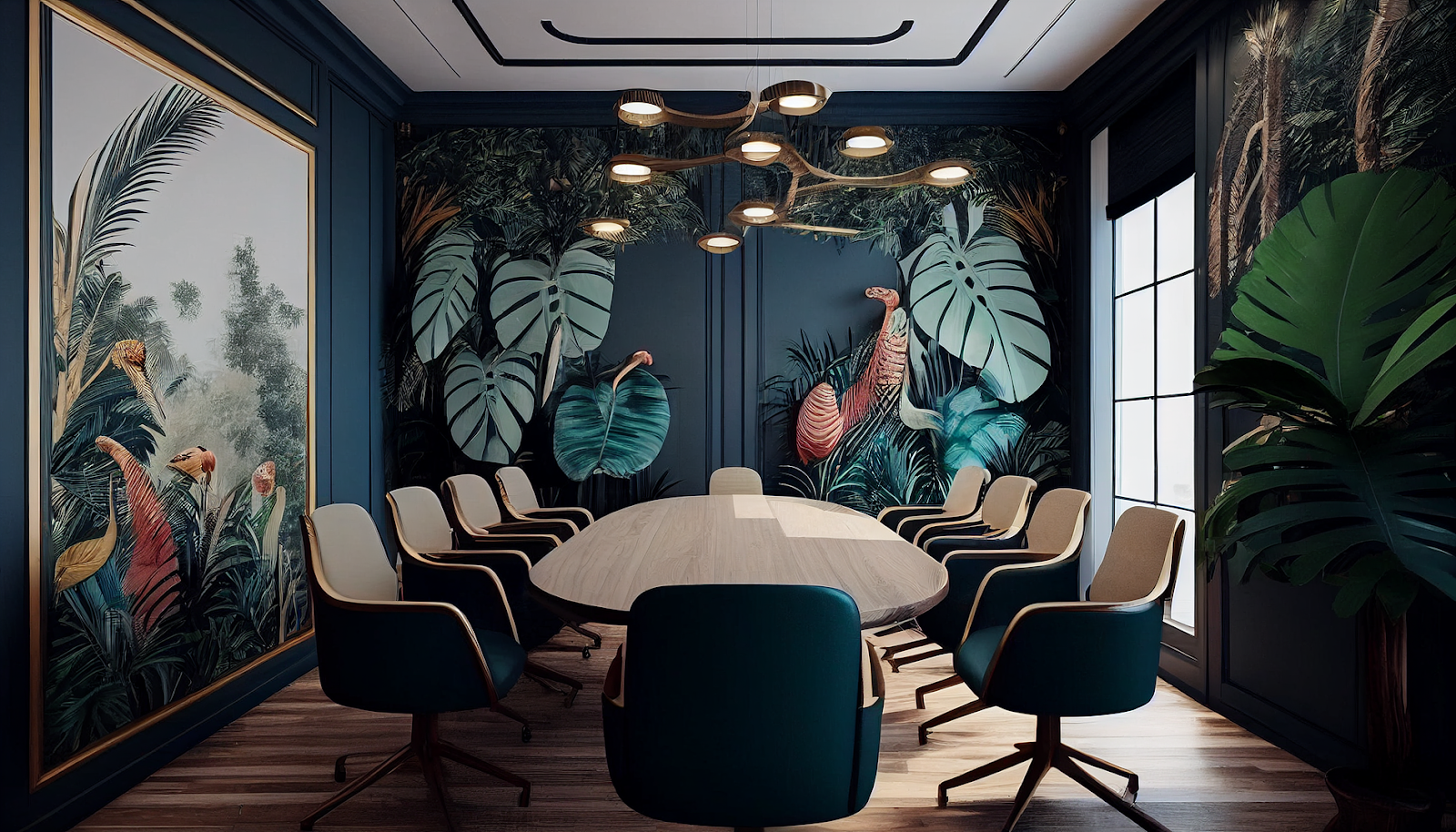
Traditionally, creating virtual event backgrounds required designers, long feedback loops, and predefined templates. Generative AI changes this process by enabling on-demand visual creation based on simple prompts, themes, or event goals.
For example, an organizer can generate a background that reflects:
This ability to move from concept to visual execution almost instantly reflects a broader event trend: speed and adaptability now matter as much as polish.
One of the challenges in virtual events has been sameness. Many events look alike, regardless of industry or audience. Generative AI helps break that pattern by enabling contextual design. Instead of using generic conference backdrops, organizers can create environments that align with:
This aligns with a growing trend in events toward personalization and relevance. When attendees enter a virtual space that visually reflects the event’s purpose, engagement begins before a single word is spoken.

Brand expression is another area where AI-driven backgrounds are reshaping event trends. Maintaining consistency across sessions, rooms, and event formats has traditionally been difficult in virtual environments.
Generative AI allows organizers to quickly adapt backgrounds while preserving core brand elements such as color palettes, visual motifs, and spatial layouts. This is particularly valuable for multi-day or recurring events where visual continuity builds familiarity and trust.
In platforms like SpatialChat, these AI-generated visuals can be paired with spatial audio and movement-based interaction, reinforcing brand presence without disrupting conversation or flow.
Another important event trend is experimentation. Teams are testing new formats, shorter sessions, pop-up events, and hybrid experiences. Generative AI supports this by lowering the cost and effort of visual iteration.
Organizers can experiment with different environments for:
Because backgrounds can be generated and adjusted quickly, visual design becomes part of the iterative event strategy rather than a fixed constraint.
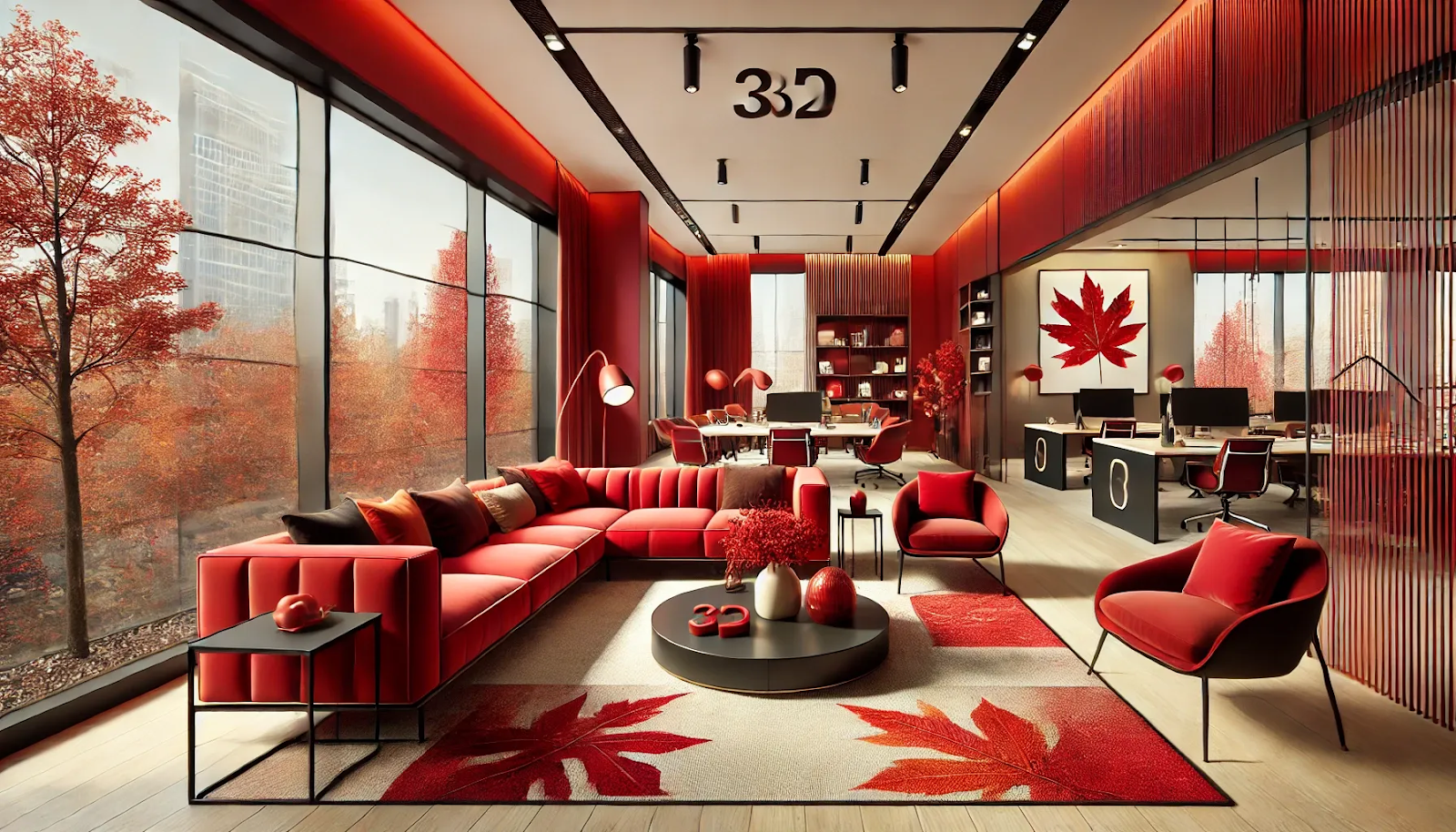
While generative AI introduces efficiency, the most effective use still requires human intent. Successful virtual event backgrounds are not just visually appealing. They are designed with interaction in mind. This reflects a broader shift in virtual event trends toward intentional space design. AI provides the tools, but organizers define:
When used thoughtfully, generative AI enhances creativity instead of replacing it.
As AI continues to influence event trends, visual environments will become more adaptive, responsive, and aligned with attendee behavior. Backgrounds may soon adjust dynamically based on session type, audience size, or interaction patterns.
For event teams, this represents an opportunity to move beyond static planning and toward living, evolving virtual spaces. For attendees, it means experiences that feel less like video calls and more like places worth spending time in.

Generative AI is not just a design shortcut. It is becoming a foundational layer in how virtual events are imagined and executed. By enabling instant, contextual, and scalable visual environments, it supports one of the most important event trends today: creating virtual experiences that feel human, engaging, and purpose-built.
Platforms like SpatialChat are uniquely positioned to bring this trend to life by combining AI-driven visuals with spatial interaction, giving organizers the flexibility to design events that adapt as quickly as their audiences do.
As virtual events continue to evolve, the role of generative AI in shaping their look and feel will only grow. The question is no longer whether to use it, but how intentionally it is applied to create spaces where real connection can happen.